EWPH Home
  • Home
  • About Us
  • Book The Hall
  • Event Calendar
  • Newsletters
  • Contact Us
Affeton Castle

Affeton Castle

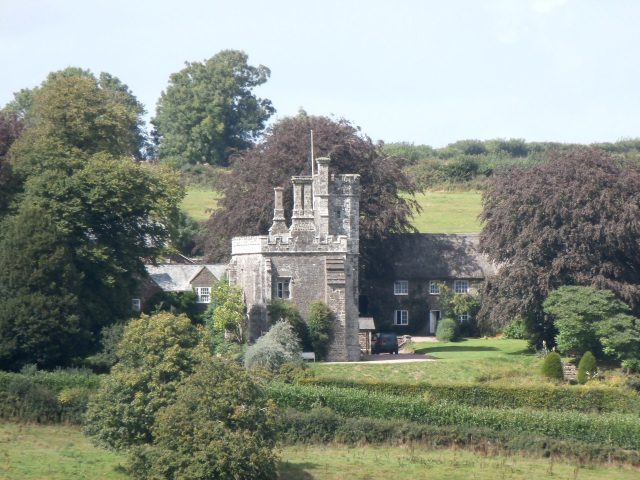
Affeton Castle and its surrounding estate lie above the wooded valley of the Little Dart, a tributary of the River Taw.  Affeton Castle’s significance lies in the fact it is the only significant late med­ieval secular residence still left in this part of Devon.

Originally built  in the fifteenth-century, Affeton Castle was once the gatehouse of a medieval fortified house. The house itself has sadly been lost in the intervening centuries. 

Affeton Castle was sacked three times during the Civil War, and the remaining two-storey gatehouse was described in 1859 as a ruin*. Fortunately it was saved and substantially rebuilt in the 19th century to serve as a shooting lodge and now a family home.

Affeton Castle is a Grade II* listed building: for more details of the architectural history see entry on Historic England Website.

*T. H. Turner and J. H. Parker, Some Account of Domestic Architecture in England, III pt 2 (1859).

add media image

Rebuilding the Gatehouse?

description
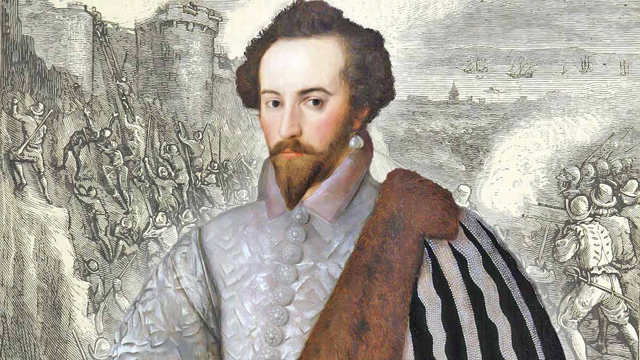
Sir Walter Raleigh and a Bag of Gold

A story in 1866 magazine reports that in 1603 Sir Lewis Stucley of Affeton was instrumental in the arrest and trial of Sir Walter Raleigh, for which Sir Lewis was allegedly paid £500 in gold. 

According to the article, regretting his part in Sir Walter Raleigh’s downfall Sir Lewis allegedly threw the bag of gold down a well somewhere on the estate, the location of which has long been lost to time.   

Click on this box to read the full article. 

add media image

Affeton Castle in the Civil War?

description


A Timeline of Affeton Castle

1434
Building the Castle
Affeton Castle’s history begins with a fortified manor house built by the Stucley family
 
1434
First Owners of Affeton Castle
Katherine de Affeton is married to Sir Hugh Stucley. Sir Hugh Stucley becomes Sheriff of Devon in 1449.
 
1646
Civil War Destruction
During the English Civil War, a Parliamentary army detachment was sent to raze the manor house due to the Stucley family’s Royalist sympathies.
 
Early 19th C
Castle in Ruins
The manor house was a ruin, and the gatehouse was also in a state of disrepair.
 
1868
Work Begins on Restoration of Gatehouse

Sir George Stucley, 1st Baronet, restored the gatehouse to serve as a hunting lodge or shooting box.

 
1956
Conversion to Family Home
In 1956, Sir Dennis Stucley, 5th Baronet, converted the gatehouse into a private home for the family, which it remains today.
 

Copyright © 2025 · East Worlington Parish Hall · Registered Charity 267969 · Log in